

Tree Planting
Planting a tree is an investment, and giving it the right start makes all the difference in whether it thrives for decades or struggles from day one. The right tree, in the right soil and spot, planted at the right time, grows stronger and is far less likely to develop problems down the road.
Timing matters too, and it's different for every tree. Most trees do best planted in fall, so their roots can settle in during the rainy season before summer's heat arrives. Others, like young citrus and olive trees, are sensitive to cold and do better in spring. Not sure what's right for your yard? Our arborists can help you plan it all, from the right species and soil to the best time to plant.
Below is a quick-reference guide to some of the Bay Area's most common trees, including San Francisco's most-planted street trees, with the best season to plant each one and why.
OR
Bay Area Trees: Best Planting Season
Native = naturally occurring in California
Common = widely planted in the Bay Area, not native to California
Less Common = found in the Bay Area, but not widely planted or abundant
Rare = uncommon specimen trees or native species in sharp decline
SF Street Tree = among San Francisco's most-planted street trees
San Francisco's most common street trees are listed first, in order of citywide count.
| Tree | Status | Best Time to Plant | Why |
|---|---|---|---|
| London Plane (Sycamore) Platanus × acerifolia |
Common SF Street Tree |
Fall | Planting while the tree is dormant and the weather is cool means less stress, and winter rains help the roots settle in before summer's heat and dry winds arrive. |
| New Zealand Christmas Tree Metrosideros excelsa |
Common SF Street Tree |
Fall | San Francisco's mild, wet winters are perfect for new roots to settle in before the tree faces its first dry summer. |
| Swamp Myrtle (Water Gum) Tristaniopsis laurina |
Common SF Street Tree |
Fall | Cooler, wetter weather gives new roots time to establish without the stress of summer heat and dryness. |
| Victorian Box Pittosporum undulatum |
Common SF Street Tree |
Fall | Fall planting lets the tree settle in during the rainy season, so it's better prepared for its first summer. |
| Brisbane Box Lophostemon confertus |
Common SF Street Tree |
Fall | Like most evergreens here, it does best getting a head start over the wet winter months before summer dryness sets in. |
| Indian Laurel Fig Ficus microcarpa |
Common SF Street Tree |
Fall | Cooler fall weather and winter rain reduce transplant stress, giving roots time to establish before summer heat. |
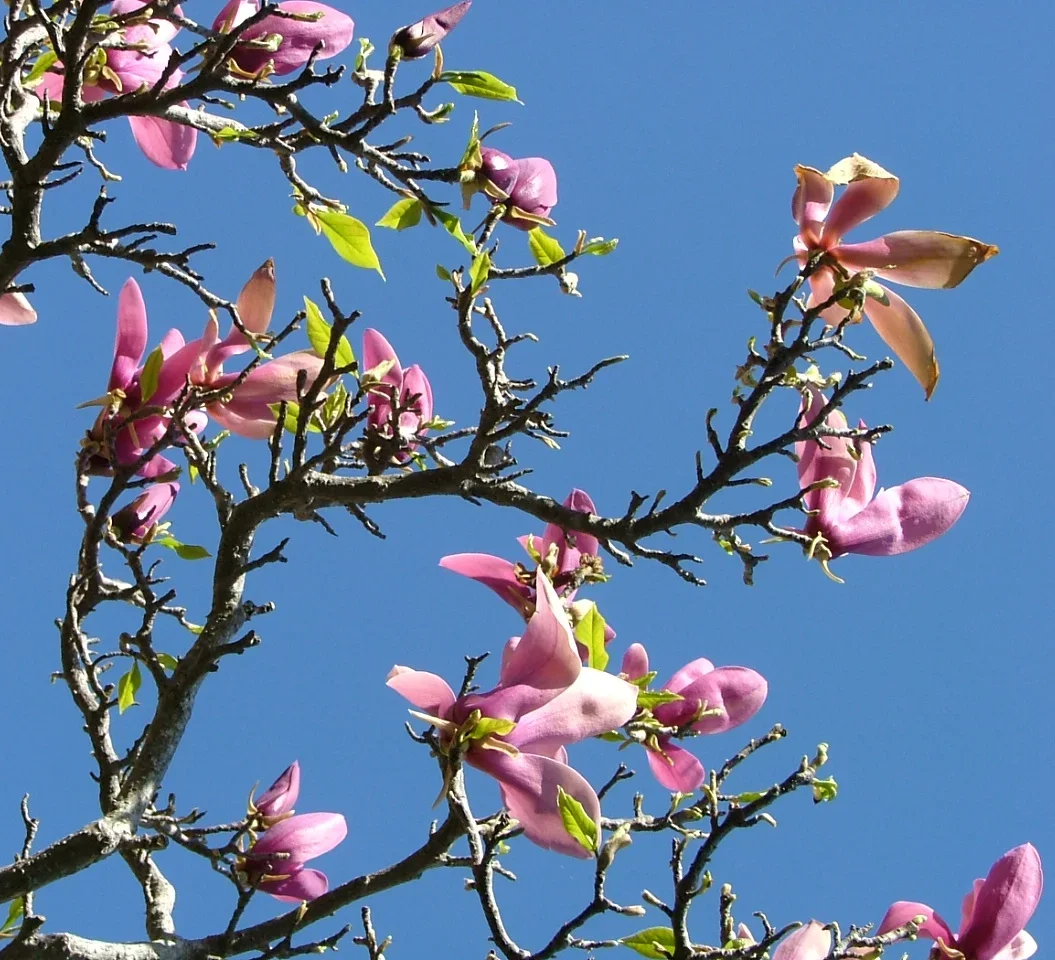
| Magnolia Magnolia spp. (Southern Magnolia is a common SF street tree) |
Common SF Street Tree |
Early spring | Magnolias have sensitive roots that don't like being disturbed in cold, wet soil. Spring planting lets the tree settle in and grow through a full season before facing winter. |
| Cherry Plum Prunus cerasifera |
Common SF Street Tree |
January (bare-root season) | This fruiting tree is sold bare-root while dormant in winter, which is also the gentlest time to plant it, before it wakes up and starts growing again. |
| Hybrid Strawberry Tree Arbutus × 'Marina' |
Common SF Street Tree |
Fall | This hardy, drought-tolerant tree settles in easily when given the wet winter months to grow roots before summer dryness arrives. |
| Monterey Pine Pinus radiata |
Native* SF Street Tree |
Fall | Like most conifers, it establishes best with the cool, wet winter to grow roots, before the stress of summer heat and dry winds. |
| Coast Live Oak Quercus agrifolia |
Native |
Fall | Oaks are built for this climate: they've evolved to take root with the first winter rains, so fall planting mimics how they'd naturally sprout and grow. |
| Coast Redwood Sequoia sempervirens |
Native |
Fall | Redwoods need consistent moisture to get established. Planting in fall lets winter rains do the work before the dry season arrives. |
| California Buckeye Aesculus californica |
Native |
Fall | This tree is adapted to our wet-winter, dry-summer pattern. Fall planting lets it take root while water is naturally available. |
| California Bay Laurel Umbellularia californica |
Native |
Fall | Like other Bay Area natives, this tree is best planted ahead of the rains so new roots can establish before summer dryness. |
| Big Leaf Maple Acer macrophyllum |
Native |
Fall | Cool fall weather and winter rain help new roots establish with minimal stress, before the tree has to deal with summer heat. |
| Blue Gum Eucalyptus Eucalyptus globulus |
Common |
Fall | Eucalyptus grows quickly and establishes best when planted ahead of winter rains, giving roots a head start before summer heat. |
| Loquat Eriobotrya japonica |
Common |
Spring, after frost danger passes | Young loquat trees are sensitive to cold. Spring planting gives it a full growing season to toughen up before its first winter chill. |
| Citrus (orange, lemon, etc.) |
Common |
Spring (March–May), after frost danger passes | Citrus trees are very sensitive to cold when young. Waiting until frost danger has passed gives the tree a full summer to grow strong roots before its first winter. |
| Olive | Common |
Spring, or fall in milder spots | Young olive trees don't tolerate cold, wet soil well. Spring planting avoids the risk of winter cold damaging a newly planted tree. |
| Japanese Maple Acer palmatum |
Common |
Fall | Cooler weather and winter rain reduce transplant shock, letting the tree establish roots before it has to cope with summer heat. |
| Valley Oak Quercus lobata |
Less Common |
Fall | Like other oaks, it's adapted to sprout and grow roots with the arrival of winter rain, so fall planting matches its natural rhythm. |
| Pacific Madrone Arbutus menziesii |
Less Common |
Fall, with care | This tree is notoriously sensitive to being transplanted. Fall planting, combined with disturbing the roots as little as possible, gives it the best chance of success. |
| Tanoak Notholithocarpus densiflorus |
Less Common |
Fall | Same as other oaks in this climate: fall planting lets new roots take hold during the rainy season before summer dryness. Because tanoaks are vulnerable to Sudden Oak Death, it's worth having an arborist check the site first. |
| Ginkgo Ginkgo biloba |
Less Common |
Fall | This slow, steady grower benefits from the cooler, wetter months to establish roots before summer heat arrives. |
| Dawn Redwood Metasequoia glyptostroboides |
Rare |
Fall | Like other conifers, it establishes best when planted ahead of the rainy season, giving roots time to settle in before summer. |
| Monkey Puzzle Tree Araucaria araucana |
Rare |
Fall | This slow-growing conifer benefits from the cool, wet winter months to settle in gently before facing summer heat. |
| Giant Sequoia Sequoiadendron giganteum |
Rare |
Fall | Like other conifers, this tree does best getting a head start through the wet winter before the stress of summer heat and dryness. |
| California Nutmeg Torreya californica |
Rare |
Fall, with guidance | This is a rare native tree with little established planting guidance, so for its best chance of survival, we'd recommend having a certified arborist help select the site and get it in the ground. |
*Monterey Pine is native to California, but only to a few small areas on the central coast (the Monterey Peninsula and parts of Santa Cruz and San Mateo Counties). It's widely planted as an ornamental and windbreak tree throughout the Bay Area, including as a street tree in San Francisco, but isn't naturally occurring here.
Every site is different — soil, sun exposure, and drainage can all shift the ideal planting time and approach. Our network of independent, certified arborists can help you choose the right tree and get it off to a healthy start.