Tree Trimming
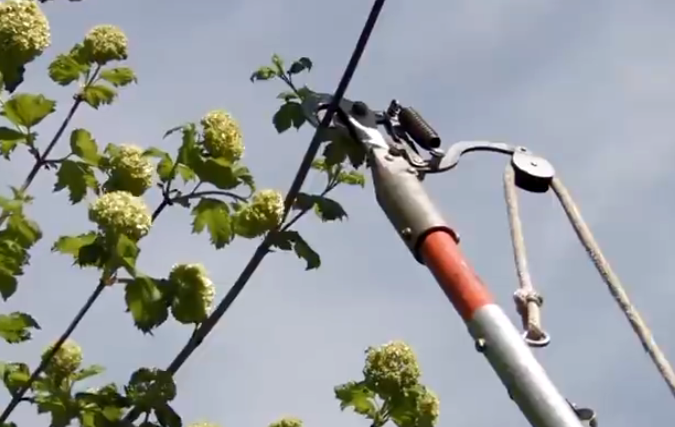
Regular tree trimming does more than keep your property looking sharp. It supports long-term tree health by improving airflow and sunlight through the branches, reducing decay and pests, and helping the tree put its energy toward strong growth.
Timing matters, and it's different for every tree. Trim at the right time and you protect the tree's health and keep it growing strong; trim at the wrong time and you can do more harm than good. Not sure when to cut yours? Our arborists can recommend the right timing for its species and condition.
Trimming is also a safety measure, clearing weak or overhanging limbs before they become a hazard to your roof, power lines, or walkways. Our arborists can spot warning signs long before they become a real problem.
Below is a quick reference guide to some of the Bay Area's most common trees, including San Francisco's most-planted street trees, with the best season to trim each one and why.
OR
Bay Area Trees: Best Trimming Season
Native = naturally occurring in California
Common = widely planted in the Bay Area, not native to California
Less Common = found in the Bay Area, but not widely planted or abundant
Rare = uncommon specimen trees or native species in sharp decline
SF Street Tree = among San Francisco's most-planted street trees
San Francisco's most common street trees are listed first, in order of citywide count.
| Tree | Status | Best Time to Trim | Why |
|---|---|---|---|
| London Plane (Sycamore) Platanus × acerifolia |
Common SF Street Tree |
Late fall through early winter | A dormant tree isn't using energy to grow leaves or move sap, so it handles heavy cuts with far less stress and heals faster once spring arrives. It's also easier to spot weak or crossing branches worth removing before they become a safety hazard. |
| New Zealand Christmas Tree Metrosideros excelsa |
Common SF Street Tree |
Late summer, after flowering | This tree needs very little pruning to begin with. Waiting until right after its bright red summer flowers fade means you're never cutting off next year's blooms before they've had a chance to form. |
| Swamp Myrtle (Water Gum) Tristaniopsis laurina |
Common SF Street Tree |
Dry season (summer–early fall) | Published research on this specific tree's pruning timing is limited, but the general evergreen rule still holds: cutting in dry weather gives the wound time to close before winter rain can carry disease into it. |
| Victorian Box Pittosporum undulatum |
Common SF Street Tree |
Summer, after spring flowering | This one flowers in spring, so pruning right after keeps you from cutting off the season's fragrant blooms. It's also a fast grower that can get rangy with age, so a yearly trim in the warm months helps it hold a healthier, more manageable shape. |
| Brisbane Box Lophostemon confertus |
Common SF Street Tree |
Dry season; minimal pruning needed | This tree naturally holds a tidy shape and needs very little help. When trimming is needed, dry-season cuts close up faster and are less likely to let in disease than cuts made during the rainy months. |
| Indian Laurel Fig Ficus microcarpa |
Common SF Street Tree |
Dry weather (summer–early fall) | This species is prone to a bark disease that spreads through damp wounds. Cutting during dry weather gives the cut time to seal over before moisture gives the disease a way in. |
| Magnolia Magnolia spp. (Southern Magnolia is a common SF street tree) |
Common SF Street Tree |
Right after flowering ends (spring for most types) | Magnolias form next year's flower buds on this year's growth almost immediately after blooming. Trimming right away means the tree can get straight to building next year's flowers, instead of losing them to a later cut. |
| Cherry Plum Prunus cerasifera |
Common SF Street Tree |
Summer (not winter dormancy) | Unusual for a tree, but winter cuts actually raise this species' risk of a serious fungal disease. Pruning in summer, while it's actively growing, lets the wound close up quickly and safely instead of sitting open through the wet season. |
| Hybrid Strawberry Tree Arbutus × 'Marina' |
Common SF Street Tree |
Minimal pruning; after late-summer/fall flowering | This tree is healthiest with a light hand — heavy cutting isn't necessary or recommended. Waiting until after its late-summer and fall flowers finish means you're not removing blooms the tree just put energy into producing. |
| Monterey Pine Pinus radiata |
Native* SF Street Tree |
November–February | The bark beetles that spread a serious pine disease are least active in these cooler months, so cutting then lowers the chance of introducing infection through a fresh wound. |
| Coast Live Oak Quercus agrifolia |
Native |
September–November (dry season) | A fresh cut is an open wound, and during the rainy season it stays wet longer, which makes it easier for disease, including Sudden Oak Death, to get in. Trimming in the dry months gives the cut time to seal before the rains return. |
| Coast Redwood Sequoia sempervirens |
Native |
Late fall through winter, only as needed | Mature redwoods rarely need trimming. When it is necessary, cutting during dormancy puts far less stress on the tree and gives any wound time to heal before spring growth demands its energy. |
| California Buckeye Aesculus californica |
Native |
Mid to late winter | With the leaves gone, it's easy to see exactly which branches need attention, and the tree isn't actively moving water and nutrients through them, so cuts cause less shock and heal more cleanly. |
| California Bay Laurel Umbellularia californica |
Native |
Late summer | This evergreen is actively growing in the warmer months, which means it can seal off small cuts quickly. A light hand keeps it healthy, since it naturally holds a good shape on its own. |
| Big Leaf Maple Acer macrophyllum |
Native |
Early winter dormancy (before sap rises) | Maples "bleed" sap heavily if cut too late in winter or into spring, which can weaken the tree and draw in pests. Cutting early in dormancy, before the sap starts moving, avoids that stress entirely. |
| Blue Gum Eucalyptus Eucalyptus globulus |
Common |
Late winter to early spring (Feb–March) | Cutting while the tree is still dormant lets wounds heal before the stress of summer heat sets in. Pruning later, once sap is flowing, can cause heavy bleeding that attracts pests and invites fungal disease. |
| Loquat Eriobotrya japonica |
Common |
Late winter/early spring, or ~2 weeks after harvest | Cold, damp cuts are slow to heal and more likely to get infected. Waiting until the weather dries out, or trimming right after harvest, gives the tree time to recover before it needs energy for new growth. |
| Citrus (orange, lemon, etc.) |
Common |
Just before bloom or right after fruit set (late winter–spring) | Cutting too late in the year pushes out soft new growth right as frost season arrives, and that tender new growth is the first thing frost damages. Timing it around bloom keeps new growth out of harm's way. |
| Olive | Common |
Once winter rains end, through early flowering (spring) | Cutting while it's still raining lets water carry disease straight into the fresh wound. Waiting until the rain stops protects the tree, and also keeps new growth from being caught by a late frost. |
| Japanese Maple Acer palmatum |
Common |
After leaf fall, before January | Like other maples, cutting too late in winter or into early spring causes heavy sap bleeding as the tree wakes up, which can weaken it. Cutting right after the leaves drop avoids that. |
| Valley Oak Quercus lobata |
Less Common |
September–November (dry season) | Same logic as other oaks: a wound made during the rainy season stays wet and is more vulnerable to disease. Dry-season cuts get a head start on healing before the rains come back. |
| Pacific Madrone Arbutus menziesii |
Less Common |
Late summer to early fall; minimal pruning overall | This tree is unusually sensitive to stress and doesn't recover well from heavy cutting. Keeping pruning light, and doing it in the drier months, gives it the best chance to heal cleanly. Because it's so sensitive, we'd always want a certified arborist to look at one in person before any cuts are made. |
| Tanoak Notholithocarpus densiflorus |
Less Common |
Dry season, like other oaks — if the tree is healthy | Tanoaks have been hit harder by Sudden Oak Death than almost any other species in the Bay Area. Before trimming one, it's worth having an arborist check for signs of infection first; a healthy tree still benefits from the same dry-season timing as other oaks. |
| Ginkgo Ginkgo biloba |
Less Common |
Late fall through early spring (dormant) | Cutting while the tree is dormant lets the wound heal before it has to spend energy growing new leaves, which is easier on its overall health. |
| Dawn Redwood Metasequoia glyptostroboides |
Rare |
Late fall through winter (dormant) | Like most conifers, cutting during the dormant winter months is the lowest-stress option, giving wounds time to heal before the tree puts energy into spring growth. It's a rare "living fossil" species in local gardens, so we'd treat any major work carefully. |
| Monkey Puzzle Tree Araucaria araucana |
Rare |
Minimal pruning; young trees only | Mature trees don't heal well from cuts into old wood, so for the tree's long-term health, the safest approach is to leave it alone beyond removing dead or clearly hazardous branches. |
| Giant Sequoia Sequoiadendron giganteum |
Rare |
Late fall through winter, only as needed | This tree needs very little trimming. When it is necessary, cutting during dormancy is the gentlest option on the tree, giving it time to heal before it puts energy into new growth. |
| California Nutmeg Torreya californica |
Rare |
Rarely cultivated; consult a certified arborist | This is a genuinely rare native tree, so there isn't much established guidance on pruning it. Because mistakes are hard to undo on a tree this uncommon, we'd always want a certified arborist to assess it in person before any cutting, for the tree's sake as much as anything. |
*Monterey Pine is native to California, but only to a few small areas on the central coast (the Monterey Peninsula and parts of Santa Cruz and San Mateo Counties). It's widely planted as an ornamental and windbreak tree throughout the Bay Area, including as a street tree in San Francisco, but isn't naturally occurring here.
Every tree and property is different — weather, health, and specific pruning goals can shift the ideal timing. Our network of independent, certified arborists can assess your trees and recommend a schedule tailored to them.